Key Takeaways
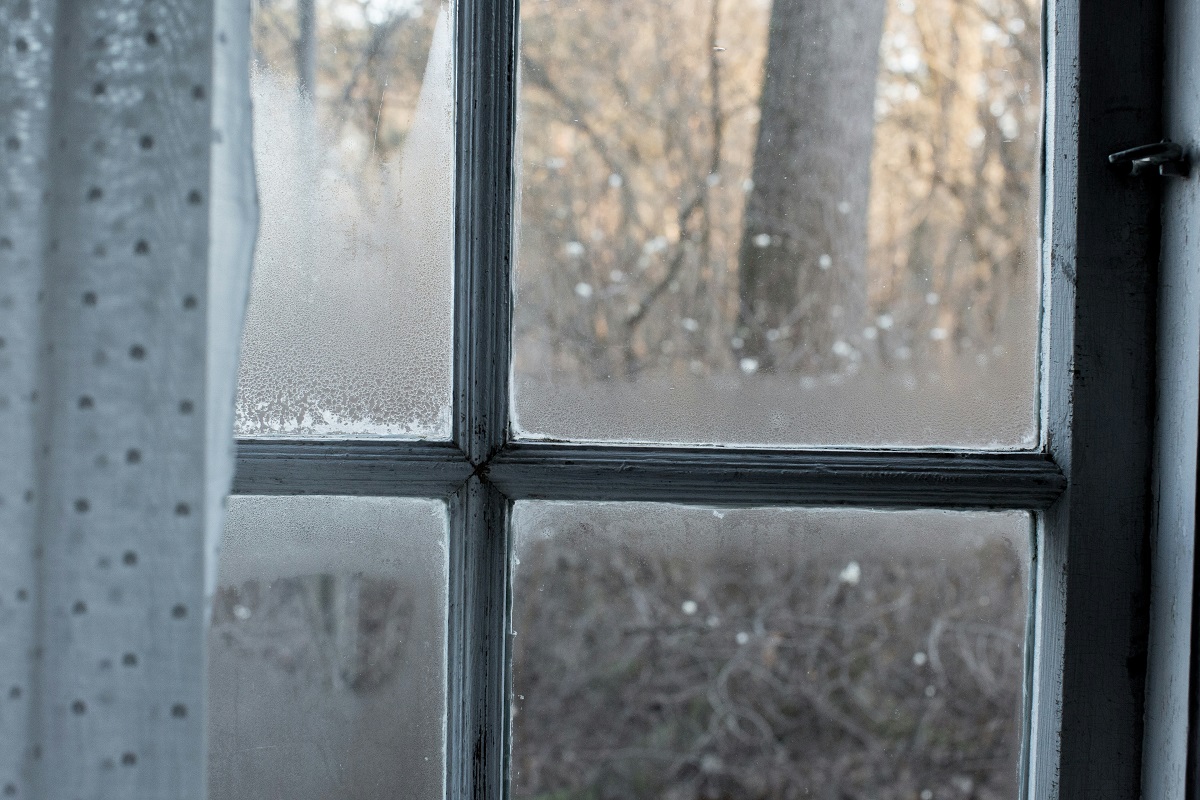
- Foggy glass is a signal that indoor moisture is meeting a cold surface, not just a cosmetic nuisance
- Relative humidity between 30% and 50% is the sweet spot for healthy indoor air during cold months
- Simple habits like running exhaust fans, cracking doors, and moving plants can cut moisture dramatically
- Upgrading weatherstripping, adding storm windows, or installing double-pane glass raises surface temperature and stops fogging at the source
- Ignoring wet windows invites mold, rotting frames, peeling paint, and ruined drywall around the sill
- Warm, humid rooms between 60 and 80 degrees Fahrenheit create ideal conditions for mold, so moisture control matters year-round
If you wake up on a chilly morning and see your windows dripping, you are not alone. It happens in brand-new houses and century-old cottages. The glass looks like it’s been crying, and sometimes you’ll find a small puddle gathering on the sill. It’s unsettling the first time you notice it.
The reason is simple physics. Warm air holds more moisture than cold air. When the warm, humid air inside your home meets the cold surface of a window, that air cools down fast. It can no longer hold all the water vapor it was carrying, so the vapor turns back into liquid water right on the glass. That’s condensation. The same thing happens when you pour an iced drink on a hot day and the outside of the glass sweats.
Understanding this basic reaction is the first step. Once you know that wet windows come from two ingredients, humid indoor air and a cold surface, you can start reducing one or both. Everything in this guide builds on that idea.
What Happens If You Just Ignore It?
A little moisture on the glass seems harmless. But water doesn’t stay on the glass forever. It rolls down. It pools on the wood or vinyl sill. It seeps into the paint, the caulk, and eventually the wall behind the trim. Over weeks and months, that constant wetness causes real damage.
According to Pella Windows, ongoing condensation inside your home can feed mold and mildew that thrive on damp wood and other organic surfaces. Once mold takes hold around a window frame, the fix is no longer a quick wipe-down. You may be looking at replacing trim, sanding and repainting, or tearing out drywall.
Here’s what you risk if you let foggy windows become a daily routine:
- Peeling paint and bubbled finishes on sills and trim
- Soft, rotting wood that attracts insects
- Black mold stains that keep coming back after cleaning
- Swollen or warped window frames that don’t open smoothly
- Stained drywall under the window
- Reduced indoor air quality, which can trigger allergies
Catching the problem early is far cheaper than fixing the aftermath. Think of damp glass as an early warning light on your dashboard.
How Much Humidity Should Be Inside Your Home?
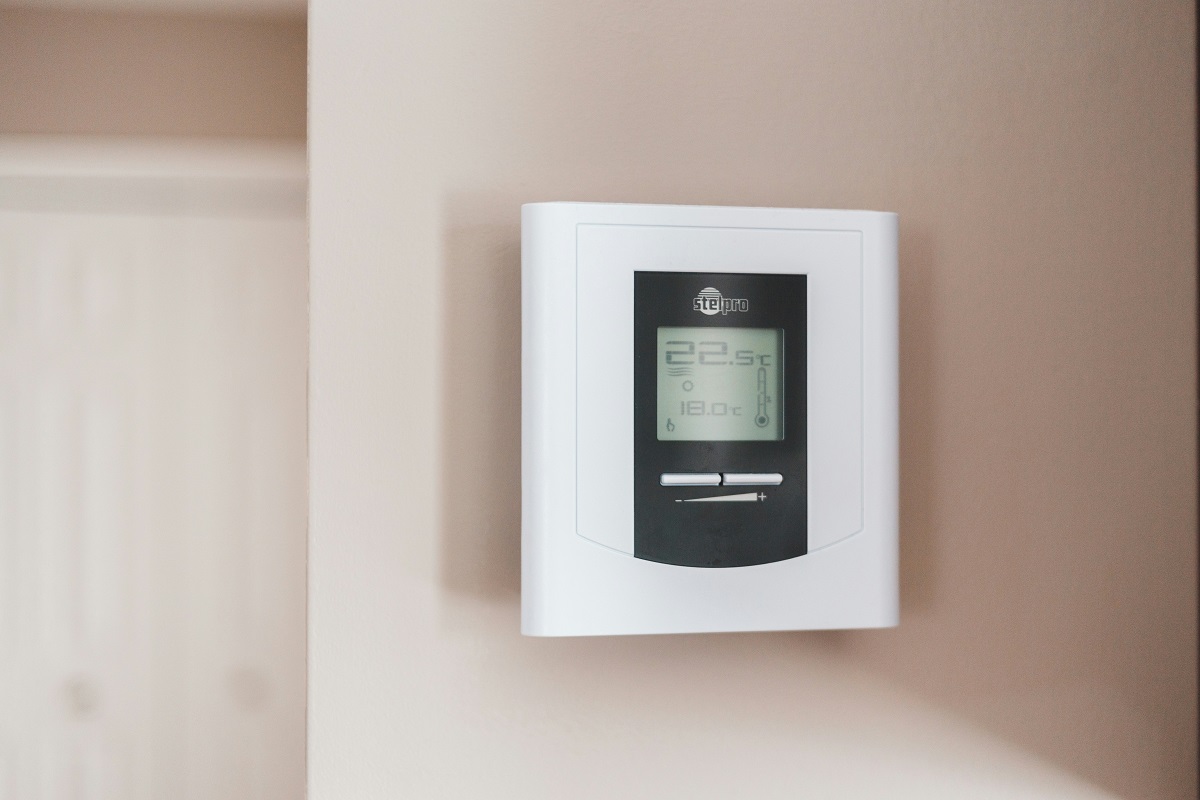
Not all humidity is bad. In fact, air that’s too dry causes its own problems like cracked skin, static shocks, and splitting wood floors. The goal isn’t zero moisture. The goal is balance.
According to standards cited by RemTech Environmental, the EPA and ASHRAE suggest keeping indoor relative humidity in a 30% to 50% range to discourage mold and dust mites. That’s a useful target. In very cold weather, you may need to aim lower, closer to 30% or even 25%, because colder outside temperatures mean colder glass, which means condensation forms at lower humidity levels.
A small, inexpensive hygrometer tells you where you stand. You can find them for under twenty dollars at any hardware store. Place one in the room where fogging is worst, usually a bedroom or bathroom, and check it morning and night for a week. You’ll start to see patterns, like a spike after showers or when the dishwasher runs.
Where That Moisture Is Actually Coming From
Most people underestimate how much water they add to the air every day. Cooking a pot of pasta, taking a hot shower, drying laundry indoors, even breathing while you sleep all contribute. A family of four can release several gallons of water into the air across a single day.
Common hidden sources include houseplants, aquariums, firewood stored inside, gas stoves without proper venting, and crawl spaces that leak moist air upward. Track down the big contributors in your house, and you’ve already won half the battle.
How to Stop Condensation on Windows in Winter Without Major Renovations
You don’t need to replace every window in the house to see improvement. Most homeowners can cut their fogging in half with a weekend of effort and a few smart habits, and the savings on energy bills, paint touch-ups, and avoided mold remediation often pay for the effort many times over. This is the practical heart of how to stop condensation on windows in winter, and it starts with small, repeatable changes that compound over the course of a season.
Start by using what you already have. Turn on the bathroom exhaust fan every time you shower, and leave it running for at least twenty minutes afterward — a quick rinse pumps more moisture into the air than most people realize, and a fan shut off too early simply traps that steam inside the house. Use the range hood whenever you boil water or cook anything that steams, and make sure it actually vents outside rather than just recirculating through a charcoal filter. Open a window for five minutes a day in winter to flush stale, moist air. It sounds counterintuitive to let cold air in, but dry cold air warms up quickly and holds less humidity, so the room feels fresher and the glass fogs less within an hour.
Try these low-cost fixes first:
- Run exhaust fans in kitchens and bathrooms longer than you think necessary, ideally on a timer switch set for 30 to 45 minutes
- Move large houseplants away from the worst windows, since a single mature fiddle leaf or cluster of ferns can release a surprising amount of water vapor each day
- Cover pots with lids when cooking on the stove, which also cuts cooking time and energy use
- Dry laundry outside or in a vented dryer, never on indoor racks that can dump several liters of water into the air per load
- Crack interior doors so air circulates between warm and cool rooms, preventing cold pockets where moisture settles
- Run a dehumidifier in the room with the worst condensation, aiming for an indoor relative humidity between 30 and 50 percent
- Wipe down sills and glass each morning during the first cold week, both to prevent damage and to gauge whether your other changes are working
Many people also forget that heating performance plays a role. Cold, drafty rooms stay more humid because warm air can’t reach the glass to raise its temperature, and a window that sits even a few degrees below the dew point will keep collecting water no matter how carefully you manage humidity elsewhere. Balanced airflow from well-maintained vents, clean filters, and properly bled radiators keeps interior surfaces warmer and more uniform, which is one of the most overlooked tricks in winter home repair. Spending an afternoon preparing your heating system for winter can quietly reduce fogging by improving airflow and surface temperatures throughout the house, and it often reveals smaller issues — a blocked return, a sticky damper, an undersized vent — that were silently feeding the condensation problem all along.
Upgrades That Fix the Problem at the Source
If habits and humidity control aren’t enough, the next step is addressing the glass itself. Cold windows will always attract condensation if they’re sitting at or below the dew point of your indoor air. Raise that surface temperature, and the problem shrinks.
According to Restore Advisor, a window surface at 45°F or below will start producing condensation in a room kept at 70°F with 55% relative humidity. Single-pane glass in a cold climate easily drops that low. Double-pane and triple-pane windows stay significantly warmer because the insulating gas between the panes slows heat loss.
Options worth considering, from cheapest to most involved:
- Apply clear window insulation film kits every fall
- Replace cracked or compressed weatherstripping around the sash
- Re-caulk the exterior perimeter where gaps have opened
- Install interior storm windows or magnetic acrylic panels
- Add cellular honeycomb shades that trap a pocket of warm air
- Replace single-pane units with modern double-pane windows
Thinking Through Bigger Projects Before You Start
Window replacement is a big decision, and it rarely stands alone. You might be pairing it with new siding, insulation upgrades, or energy-efficient doors. Taking a thoughtful approach to any winter home repair saves money and prevents mistakes you’ll regret later.
If you’re mapping out a larger scope of work, it helps to read up on planning home improvement projects before you call contractors. Knowing your budget, your priorities, and the right order of operations keeps the job on track.
Also think about timing. Replacing windows in the dead of winter is possible but harder on contractors and on your home. Planning the swap for early fall or late spring means less heat loss during install and better sealing conditions for caulk and foam.
Daily Habits That Keep Glass Dry All Season
Equipment upgrades solve the big problems, but daily routines keep moisture from creeping back. The households that stay fog-free aren’t lucky, they’re consistent. A few minutes of attention each day adds up to a drier, healthier home all winter long.
Build these into your routine:
- Wipe any morning moisture off sills with a dry cloth before it soaks in
- Pull curtains and blinds open during the day so warm air reaches the glass
- Close them at night only after the room has been fully warmed
- Keep furniture at least a few inches away from exterior walls and windows
- Check your hygrometer weekly and adjust the dehumidifier accordingly
- Inspect caulk and weatherstripping every few months for cracks or gaps
Pay special attention to bedrooms. We release a surprising amount of moisture overnight through breathing and perspiration, and bedroom doors often stay closed. Leaving the door open a few inches, or running a quiet fan, keeps air moving and prevents the heaviest fogging.
When to Call a Professional
Some situations are beyond DIY. If you see fog between the panes of a double-pane window rather than on the inside surface, the seal has failed and the insulating gas has escaped. That window needs a new insulated glass unit, and a pro should handle it. Likewise, if you spot black mold spreading across drywall or framing, don’t just wipe it away. Have it assessed and remediated properly so spores don’t return.
Persistent condensation across every window in the house, even with humidity under control, can point to ventilation problems in the whole structure. A home energy auditor or HVAC technician can run a blower door test and recommend solutions like a heat recovery ventilator, which exchanges stale wet air for fresh dry air without wasting heat.
Final Thoughts
Foggy glass doesn’t have to be part of your winter. It’s a solvable problem with a clear cause, and the fixes range from free habit changes to targeted upgrades you can plan over a season or two. Start by measuring your indoor humidity, then work down the list of easy wins before spending money on replacements. Most homes see dramatic improvement from ventilation and humidity control alone.
The real cost of ignoring wet windows shows up slowly, in rotting trim, blistered paint, and mold that spreads behind the walls where you can’t see it. Catching the signs early, keeping a cloth on the sill, and tuning your heating and airflow are small efforts that protect a major investment. Your windows are trying to tell you something every time they fog up, and now you know how to listen.
Treat condensation as useful feedback rather than a nuisance. Dry glass means balanced air, warmer surfaces, and a home that’s comfortable for the people and materials inside it. Stay consistent through the coldest months, and by spring you’ll have avoided the damage that catches so many homeowners off guard.