Winter puts extra strain on heating equipment. Once temperatures drop, a system that ran only occasionally during fall may need to operate for hours each day. Small issues that went unnoticed in mild weather can turn into uneven temperatures, higher energy use, or unexpected breakdowns.
Preparing early gives homeowners time to inspect equipment, correct maintenance issues, improve airflow, and make sure important safety devices are working. It also allows time to address drafts, review thermostat settings, and plan for possible outages.
A good winter preparation routine does not require homeowners to become heating experts. Many useful steps involve basic inspections and routine upkeep, while more complicated problems should be handled by qualified professionals. Working through the home systematically can help reduce avoidable strain on equipment and support safer, more reliable comfort throughout the season.
Inspect Your Equipment Before Cold Weather Arrives
Start with a careful look at the home’s main heating equipment. Check for moisture, corrosion, soot, loose panels, or other visible changes. When the system starts, listen for grinding, rattling, banging, or squealing that was not present before. Weak airflow, unusual odors, frequent cycling, or difficulty reaching the thermostat setting can also indicate developing problems.
Older systems deserve extra attention. Equipment that requires increasingly frequent repairs or struggles to maintain comfortable temperatures may need a more thorough evaluation. If furnace installation becomes necessary, proper sizing is critical. Oversized equipment may cycle too often, while undersized equipment may run continuously without keeping the home comfortable.
The same principle applies to any major heating installation. A professional should consider the home’s size, insulation, air leakage, layout, and ductwork before recommending equipment. Replacing a failing system before the coldest part of winter also gives homeowners more time to compare options instead of making a rushed decision during an emergency.
Keep the area around heating equipment clear as well. Boxes, paper, paint, and cleaning products should not be stored against appliances. A clean mechanical area also makes future inspections and service calls easier.
Schedule Maintenance and Correct Small Problems Early
Professional maintenance can reveal issues that are easy to miss during a visual inspection. Depending on the system, a technician may check burners, ignition components, electrical connections, motors, heat exchangers, safety controls, condensate drains, and other parts. The visit should also confirm that the equipment starts, runs, and shuts down correctly.
Scheduling Heating services before sustained cold weather gives homeowners time to correct smaller problems before the system is under heavy demand. Worn parts, loose connections, or dirty components are easier to address before they contribute to a breakdown.
Homeowners should also watch for changes between maintenance visits. Short cycling, unusual odors, repeated ignition attempts, cold rooms, or sudden increases in energy use can all justify further attention. Delaying Heating repair may allow one issue to create added stress on other parts of the system.
Keep maintenance records, invoices, warranty information, and notes about previous service in one place. If the same problem returns each winter, those records can help determine whether another repair is reasonable or whether a larger upgrade should be considered.
Any sign of unsafe operation should be taken seriously. Persistent burning smells, visible soot, electrical odors, or repeated shutdowns should be evaluated promptly rather than ignored.
Replace Filters and Improve Airflow Throughout the Home
Airflow strongly affects both comfort and system performance. A dirty filter can restrict air movement, make the blower work harder, and reduce the amount of heated air reaching occupied rooms. Check the filter before winter and continue inspecting it throughout the heating season.
Replacement frequency depends on the filter, household conditions, and manufacturer recommendations. Homes with pets, remodeling dust, or higher levels of airborne debris may need more frequent changes. Use the correct filter size, and do not assume a higher filtration rating is suitable for every system.
Walk through the home and make sure supply registers and return vents are not blocked by furniture, curtains, rugs, or storage items. Vacuum visible dust from registers and keep openings clear.
If some rooms stay noticeably colder even with open vents and a clean filter, professional HVAC services may be needed. Possible causes include leaking ducts, disconnected sections, inadequate insulation, blower problems, or poor system balancing.
An experienced HVAC contractor can also evaluate whether the duct system is properly sized and configured for the equipment, especially after remodeling or room additions. Finally, compare the thermostat reading with a reliable indoor thermometer to make sure it is measuring temperature accurately.
Check Fuel Levels and Plan Ahead for Winter Deliveries
Homes that depend on delivered fuel need an additional layer of preparation. Check the tank gauge before winter, review previous consumption patterns, and understand how quickly fuel is normally used during colder periods.
For households relying on propane deliveries, confirm how scheduling works before severe weather arrives. Some suppliers use automatic delivery programs, while others require customers to request service when the tank reaches a certain level. Knowing the process in advance can prevent last-minute problems.
Outdoor tanks and fill locations should remain accessible after snow or ice. Homeowners may need to clear driveways, paths, gates, or areas around the tank so delivery personnel can reach the property safely.
Homes using heating oil should monitor levels more often during extended cold spells because consumption can rise as the system operates longer each day. Allowing the tank to get extremely low can also create additional issues in older systems, particularly if sediment is present near the bottom.
Keep the supplier’s contact information easy to find and review policies for emergency deliveries and severe weather. Waiting until the tank is nearly empty can limit options when demand is high.
Stock Useful Materials and Keep Service Information Handy
Winter preparation should include a small supply of routine maintenance items that match the home’s equipment. Extra filters are useful, and thermostat batteries, humidifier pads, and other manufacturer-approved heating supplies may also be worth keeping on hand.
Before buying replacement materials, confirm the correct dimensions and specifications. An incorrectly sized filter may not seal properly, and incompatible parts can interfere with performance. Homeowners should avoid purchasing internal components unless they are trained to install them safely.
It is also helpful to know which tasks are appropriate for homeowners and which require a professional. Replacing a filter, changing thermostat batteries, and keeping vents clear are usually straightforward. Internal electrical work, combustion adjustments, gas-line repairs, and complex mechanical troubleshooting should be left to qualified technicians.
Researching HVAC companies before an emergency can save time and reduce stress. Waiting until a system fails during freezing weather may leave little opportunity to compare qualifications, availability, or service policies.
Keep model and serial numbers, warranty information, maintenance records, and preferred service contacts together. Photos of equipment labels can provide a convenient backup if paperwork is misplaced.
Test Safety Devices and Reduce Heating Hazards
Winter preparation should always include safety checks. Test smoke alarms and carbon monoxide detectors, replace weak batteries, and check the age of each device. Many alarms have limited service lives, so older units may need full replacement.
Carbon monoxide detection is especially important in homes with fuel-burning appliances. Furnaces, boilers, fireplaces, and water heaters rely on proper venting to move combustion gases outdoors. A damaged, blocked, or disconnected vent can create a serious hazard.
Visually inspect accessible vent pipes and exterior exhaust openings for obvious damage or blockage. Leaves, nests, snow, and debris can interfere with outdoor openings. Homeowners should not dismantle combustion venting or attempt internal repairs without the proper training.
Keep combustible materials away from heating equipment. Paint, gasoline, paper products, solvents, and similar items should be stored in appropriate locations.
Fireplaces and chimneys also deserve attention if they are used during winter. Creosote buildup, damaged liners, and blockages can increase fire and ventilation risks. If a carbon monoxide alarm activates, occupants should follow emergency guidance rather than assuming the device is malfunctioning.
Seal Drafts and Limit Unnecessary Heat Loss
Even well-maintained equipment may struggle if heated air escapes through gaps around the home. Inspect windows, exterior doors, attic access panels, plumbing penetrations, and utility openings for drafts before winter.
Many air leaks can be identified by feeling for cold air near doors and windows on a windy day. Small gaps may be addressed with appropriate caulk or weatherstripping, while damaged windows, doors, or building materials may require repair.
Door sweeps can reduce airflow beneath exterior doors, and window locks should close securely so the sash presses against its seals. If storm windows are available, install them before cold weather becomes consistent.
Insulation is equally important. Inadequate attic insulation can allow heat to escape upward, while poorly insulated walls, floors above unconditioned spaces, and accessible ductwork can contribute to uneven temperatures.
Air sealing and insulation work together. Insulation slows heat transfer, while sealing reduces uncontrolled air movement. Addressing both can help rooms maintain steadier temperatures and reduce unnecessary equipment operation.
Use care around combustion appliances. Some systems require dedicated combustion air, so major changes around mechanical rooms should be evaluated with ventilation and safety requirements in mind.
Adjust Thermostat Settings for Efficient Winter Operation
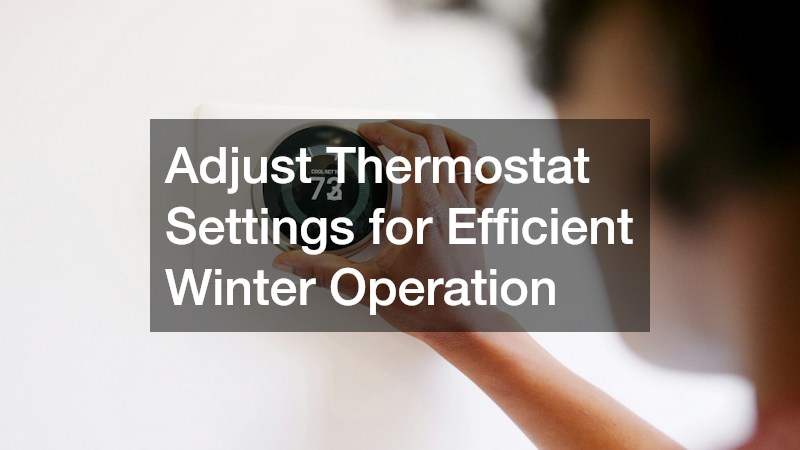
A thermostat should reflect the household’s actual routine. Before winter, review schedules for waking, leaving home, returning, and sleeping. Changes in work or school routines may make last year’s settings less useful.
Programmable and smart thermostats can automatically adjust temperatures during periods when the household is asleep or away. The best schedule balances comfort with realistic opportunities to reduce heating demand.
Avoid making extreme thermostat changes in an attempt to warm the home faster. Most conventional systems do not produce hotter air because the thermostat is set far above the desired temperature. Instead, the system simply runs longer.
Watch how the home responds after changing a schedule. If the system consistently falls behind, takes unusually long to recover, or overshoots the setting, additional evaluation may be needed.
Thermostat placement also matters. A device near direct sunlight, exterior doors, kitchens, or supply vents may not represent the average temperature in the home.
Households should prioritize safe indoor temperatures over aggressive energy savings. Older adults, infants, pets, and people with certain medical needs may require more consistent warmth.
Create a Practical Plan for Heating Emergencies
Even a well-maintained system can fail during severe weather. A household emergency plan makes an unexpected outage easier to manage.
Know where the heating system’s electrical switch, circuit breaker, and relevant shutoff controls are located. Keep phone numbers for service professionals, utility providers, and fuel suppliers easy to access.
If the system stops producing heat, check simple issues first, such as the thermostat setting, circuit breaker, and whether power is available elsewhere in the home. Avoid repeatedly resetting equipment that continues to trip a breaker or shut itself down, because that can indicate a problem that requires professional diagnosis.
During a prolonged outage, concentrate activity in a smaller area when practical and close doors to unused rooms. Curtains can reduce heat loss overnight, while opening them during sunny periods may provide some passive warmth.
Never use outdoor grills, generators, or fuel-burning camping equipment indoors. Ovens should not be used as space heaters because of fire and carbon monoxide risks.
Freezing pipes can become a concern if indoor temperatures continue dropping. Open cabinet doors beneath sinks on exterior walls, follow appropriate plumbing guidance for vulnerable pipes, and know where the main water shutoff is located.
Households with young children, older adults, pets, or people who depend on temperature-sensitive medical equipment should identify a backup place to stay if safe indoor temperatures cannot be maintained.
Make Winter Readiness Part of Your Seasonal Routine
Preparing a heating system before winter is easier than handling multiple problems after temperatures have already dropped. A seasonal routine should include equipment inspection, preventive maintenance, airflow checks, fuel planning, safety testing, draft control, thermostat review, and emergency preparation.
No single step can guarantee uninterrupted operation, but early preparation can reveal many problems while there is still time to address them. It can also reduce unnecessary strain on equipment and help homeowners recognize changes in performance sooner.
Start early enough to make repairs or adjustments without the pressure of an approaching freeze. Keep records from year to year, and pay attention when comfort levels or equipment behavior change.
A dependable winter setup comes from routine care, safe operating practices, and advance planning. Completing these tasks before severe weather arrives can help the household stay warmer, safer, and better prepared throughout the season.