
Buying a bargain property can feel like a victory, especially in competitive real estate markets where move-in-ready homes command premium prices. These discounted homes often come with visible flaws and hidden issues that scare off casual buyers, creating opportunities for those willing to take on a challenge. However, the difference between a smart investment and a costly mistake often comes down to preparation, knowledge, and realistic expectations. Understanding what you are truly buying is essential before committing time and money to repairs.
Fixing up a lower-priced home is not just about making it look better. It requires thoughtful planning, prioritization, and a willingness to address unglamorous problems before cosmetic upgrades. Many first-time buyers underestimate the scope of work involved and overestimate how quickly improvements can be completed. By approaching the process strategically, you can protect your finances, your safety, and your long-term equity. This guide walks through each major phase of improving a bargain property, from evaluation to long-term value.
Evaluating Hidden Structural and System Risks Before You Buy

Before closing on a bargain property, it is critical to look beyond peeling paint and outdated finishes. Older or distressed homes often suffer from neglected mechanical systems that can be expensive to repair after purchase. A standard home inspection is helpful, but it may not reveal the full condition of plumbing, heating, or electrical systems that have been poorly maintained. Bringing in specialists early allows you to identify serious problems while you still have negotiating power.
Pay close attention to warning signs such as inconsistent water temperature, unusual noises from heating equipment, or visible corrosion on pipes. These issues may indicate the need for water heater repairs or more extensive work on heating infrastructure. In colder climates, neglected heating systems can lead to inefficient performance or even complete failure during winter months. Addressing concerns like boiler system treatment early can extend equipment lifespan and reduce energy costs.
When evaluating system risks, it helps to focus on components that are expensive to replace and essential to daily living. A home may appear livable on the surface, but underlying system failures can quickly drain renovation budgets. Understanding these risks before purchase allows you to decide whether the property is still a bargain or simply a deferred maintenance trap. Taking the time to assess these systems thoroughly sets the foundation for every improvement that follows.
Addressing Pest and Environmental Threats Early On
Pest and environmental issues are especially common in vacant or neglected homes. Rodents, insects, and moisture problems often go unnoticed for long periods, allowing damage to compound. These issues are not only unpleasant but can also compromise structural integrity and indoor air quality. Ignoring them during early renovations can lead to repeated repairs and health concerns later.
Wood-destroying insects are one of the most serious threats to bargain properties. Professional termite control is often necessary if there is evidence of damaged framing, hollow wood, or mud tubes along foundation walls. Termites can weaken structural components silently, making early detection critical. Treating infestations promptly prevents further damage and allows repairs to focus on restoration rather than ongoing containment.
Environmental damage from water intrusion often overlaps with pest problems. Leaks, flooding, or long-term humidity can create ideal conditions for insects and mold. In severe cases, homeowners may need professional water restoration services to dry materials, remove damaged surfaces, and stabilize the structure. Resolving these issues early protects both the home and the people living in it, making future upgrades safer and more effective.
Prioritizing Safety and Habitability Fixes First
Once the property is secured and free from immediate threats, the next priority is making it safe to occupy. Safety-related repairs should always come before aesthetic improvements, no matter how tempting new finishes may be. Electrical hazards, compromised flooring, and air quality issues can pose serious risks if left unaddressed. Focusing on habitability ensures the home can be lived in comfortably during ongoing renovations.
Fire-related damage is a common issue in distressed properties, even if the fire occurred years earlier. Residual soot, odors, and weakened materials can linger long after visible damage is repaired. In these cases, a smoke damage cleaning service can remove harmful residues and improve indoor air quality. This type of professional cleaning is often necessary to make a home safe rather than just visually acceptable.
In addition to fire concerns, safety fixes often include repairing stairs, securing railings, and addressing structural weaknesses. These improvements may not add immediate visual appeal, but they reduce liability and prevent injuries. Once the home meets basic safety standards, other renovation efforts become more efficient and less stressful. Establishing habitability first allows homeowners to live in the space while planning future upgrades.
Planning a Renovation Strategy That Matches Your Budget

A clear renovation strategy is essential for keeping costs under control. Without a plan, it is easy to overspend on cosmetic improvements while neglecting critical repairs. Successful projects begin with a detailed budget that accounts for both known repairs and unexpected issues. This approach allows homeowners to make informed decisions as work progresses.
Many buyers choose to combine do-it-yourself efforts with professional home remodeling services. This hybrid approach can reduce costs while ensuring complex work meets code requirements. Tasks such as demolition or painting may be manageable for homeowners, while structural changes and system upgrades are best left to professionals. Knowing where to draw this line is key to avoiding costly mistakes.
A well-planned renovation strategy also includes realistic timelines. Bargain properties rarely transform overnight, and rushing the process often leads to errors. By phasing projects and aligning them with available funds, homeowners can maintain momentum without financial strain. This disciplined approach helps turn an overwhelming project into a series of manageable steps.
Tackling Exterior Repairs That Protect the Entire Home
Exterior repairs are often overlooked in favor of interior improvements, but they play a crucial role in protecting the home. Roofs, siding, and drainage systems shield the structure from weather-related damage. When these elements fail, water intrusion can undo even the best interior renovations. Addressing exterior issues early preserves the value of all other improvements.
Roof damage is especially common in older or foreclosed homes. Missing shingles, sagging areas, or signs of past leaks indicate the need for professional evaluation. Experienced roofers can assess whether repairs are sufficient or if replacement is necessary. While roofing work can be expensive, it is one of the most important investments for long-term stability.
Beyond roofing, exterior repairs often include grading soil away from the foundation and sealing cracks. These measures prevent moisture from entering the home and causing hidden damage. Once the exterior envelope is secure, interior renovations are far less likely to encounter setbacks. Protecting the structure from the outside in is a smart and cost-effective strategy.
Navigating Legal and Financial Challenges of Distressed Properties
Bargain properties frequently come with legal and financial complications that extend beyond physical repairs. Buyers may encounter unresolved liens, zoning issues, or pending legal actions tied to the previous owner. Understanding these challenges early can prevent costly delays and unexpected expenses. Professional guidance is often essential in these situations.
In some cases, buyers pursuing distressed homes may encounter foreclosure defense processes that affect timelines and ownership transfer. These situations can delay renovations and complicate financing. Working with experienced professionals ensures that repairs do not begin before legal ownership is fully secured. This protects buyers from investing in a property they do not yet fully control.
Financial planning is equally important when legal issues are involved. Delays can increase carrying costs such as insurance and utilities. Factoring these possibilities into your budget helps avoid financial strain. A clear understanding of legal and financial risks allows buyers to proceed with confidence and caution.
Managing Cleanup and Ongoing Maintenance During Renovations
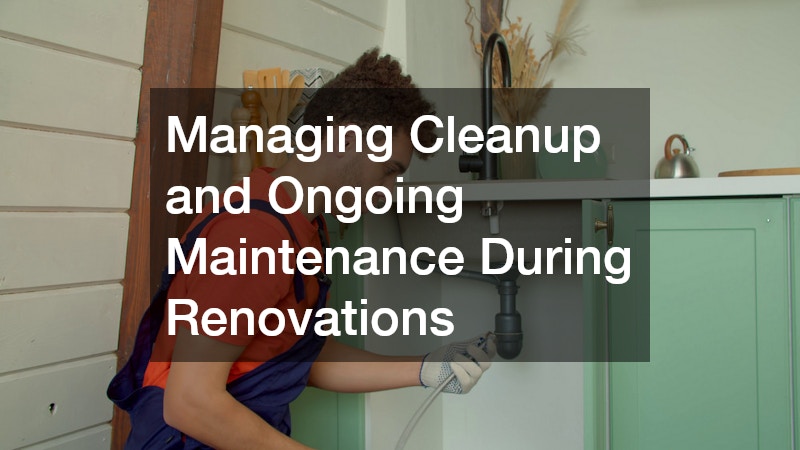
Renovation projects generate significant dust, debris, and waste. Without proper cleanup, worksites can become unsafe and inefficient. Maintaining cleanliness throughout the renovation process protects finished work and supports a healthier living environment. It also helps contractors work more effectively.
For larger projects, hiring local janitorial services can be a practical solution. These professionals can handle routine cleanup, debris removal, and sanitation between work phases. This allows homeowners and contractors to focus on construction tasks rather than maintenance. Consistent cleanup also reduces the risk of accidents and damage to newly installed materials.
Ongoing maintenance during renovations extends beyond cleaning. Monitoring moisture levels, securing materials, and protecting exposed surfaces are all part of the process. A well-maintained site stays organized and efficient, saving time and money. Cleanliness may seem secondary, but it plays a major role in successful renovations.
Coordinating Skilled Professionals and Contractors Effectively
Renovating a bargain property often requires multiple professionals working in sequence. Poor coordination can lead to delays, rework, and increased costs. Clear communication and scheduling are essential to keeping projects on track. Homeowners who act as effective project managers often achieve better outcomes.
Certain repairs require specialized expertise that must be carefully timed. For example, structural drying or repairs may depend on prior assessments by water restoration services following leaks or flooding. Scheduling these services early prevents delays for other trades. Coordination ensures that each phase builds upon the last without unnecessary overlap.
Effective contractor management also involves setting expectations upfront. Written scopes of work, timelines, and payment schedules reduce misunderstandings. Regular check-ins keep everyone aligned with project goals. When professionals work together efficiently, renovations progress more smoothly and predictably.
Understanding the Financial Impact of Repairs and Ownership
Renovation costs extend beyond materials and labor. Taxes, insurance, and financing fees all affect the total investment in a bargain property. Understanding these expenses helps homeowners make informed decisions about scope and timing. Financial awareness is essential for protecting long-term equity.
Many homeowners benefit from consulting tax services to understand how renovations may affect deductions or future capital gains. Certain improvements can influence property assessments and tax obligations. Keeping detailed records of expenses supports accurate reporting and financial planning. Professional guidance ensures compliance and maximizes potential benefits.
In addition to taxes, ongoing ownership costs should be considered. Utilities, maintenance, and insurance often increase as a home becomes more livable. Factoring these expenses into your budget prevents surprises. A comprehensive view of financial impact supports sustainable homeownership.
Preparing the Home for Long-Term Value and Resale

Once major repairs and renovations are complete, attention shifts to long-term value. Ensuring that all work meets local codes and quality standards protects resale potential. Buyers are more confident in homes with documented improvements and professional workmanship. Final inspections and quality checks are essential at this stage.
Long-term value also depends on thoughtful design and durability. Choosing neutral finishes and durable materials appeals to future buyers and reduces the need for maintenance. Even if resale is years away, planning with the future in mind adds flexibility. A well-improved home adapts more easily to changing needs.
Ultimately, transforming a bargain property is about more than short-term savings. It is an investment in stability, comfort, and equity. By completing repairs thoughtfully and strategically, homeowners position themselves for long-term success. The effort invested today can pay dividends for years to come.
The most successful renovations are guided by prioritization rather than impulse. Addressing safety concerns, structural integrity, and essential systems first creates a solid foundation for every improvement that follows. Cosmetic upgrades may be the most visible changes, but they are only meaningful when supported by sound infrastructure. Taking the time to resolve issues in the correct order not only protects your investment but also reduces stress throughout the renovation process.
Equally important is maintaining realistic expectations about timelines, costs, and outcomes. Bargain properties often reveal surprises, even with thorough inspections and careful planning. Building flexibility into your budget and schedule allows you to adapt without compromising the quality of the work. Viewing the project as a long-term journey rather than a short-term transformation helps keep decisions grounded and financially responsible.
Ultimately, a discounted home offers more than a lower purchase price. It provides an opportunity to create value through informed choices, hands-on involvement, and strategic improvements. With diligence and foresight, a once-overlooked property can become a dependable home and a strong asset. The effort invested in doing the work correctly pays off not only in resale potential but in the confidence and satisfaction that come from turning a challenging purchase into a lasting success.