
A comfortable, dependable home requires intention. Behind every smoothly running space is a network of systems delivering power, water, heat, and connectivity. Over time, these systems deteriorate, fall behind modern standards, or simply become less efficient. The result is higher utility costs, frequent repairs, and daily hassles that gradually erode your quality of life.
Strategic upgrades can boost home performance without a full rebuild. By focusing on key systems, you’ll improve safety, efficiency, and daily enjoyment. Targeted improvements also help you prioritize your budget, address the most pressing issues first, and create a roadmap for future enhancements. In many cases, upgrading foundational systems can even increase your home’s value and reduce long-term maintenance costs, making your investment pay off in multiple ways.
Start With a Full Home System Evaluation

Before starting upgrades, you need to know your baseline. Many homeowners ignore this step and invest in solutions that miss the root causes. A thorough evaluation provides guidance and prevents wasteful spending.
Start by walking through your home and noting any recurring problems or inefficiencies. Pay attention to issues such as inconsistent water pressure, flickering lights, slow internet speeds, or rooms that are difficult to heat or cool. These small annoyances often point to larger system issues.
Here’s how to approach your evaluation:
- Check the age of major systems: Electrical panels, water heaters, and heating systems all have expected lifespans. If yours are nearing the end, it’s time to plan ahead.
- Look for warning signs: Frequent breaker trips, discolored water, or slow drains are signals that something needs attention.
- Review utility bills: A steady increase in costs can indicate inefficiency, even if everything seems to be working.
- Schedule professional inspections: Bringing in experts for a detailed assessment can uncover hidden issues you might miss.
- Map out priorities: Focus first on safety concerns, then move to efficiency and comfort upgrades.
Taking the time to evaluate your home properly ensures that every improvement you make has a clear purpose and delivers real value. A detailed assessment also helps you identify underlying problems that might otherwise be missed, prioritize urgent repairs, and allocate your budget more efficiently. By understanding the true condition of your home’s systems, you can confidently plan upgrades that address both immediate needs and future goals, ultimately saving time, money, and unnecessary frustration.
Ensure Reliable Power for Everyday Living
Your home’s electrical system is the backbone of modern living. From appliances and lighting to smart devices and work-from-home setups, everything depends on consistent and safe power. If your system is outdated, it may struggle to keep up with today’s demands.
One of the first things to consider is whether your current panel can handle your household’s load. An electrical panel upgrade is often necessary in older homes, especially if you’ve added new appliances or expanded your living space.
Signs you may need an upgrade include:
- Breakers that trip frequently
- Lights that dim when appliances turn on
- Limited space for additional circuits
- Outdated fuse boxes instead of circuit breakers
Upgrading your panel not only improves performance but also enhances safety by reducing the risk of electrical fires.
Another important consideration is backup power. Installing a whole house generator ensures that your home remains functional during outages. This is especially valuable in areas prone to storms or unreliable grid service.
Benefits of adding backup power include:
- Maintaining heating, cooling, and refrigeration during outages
- Keeping security systems and essential devices running
- Preventing damage from power loss (like frozen pipes or spoiled food)
- Providing peace of mind for your family
When planning these upgrades, work with licensed professionals who can evaluate your home’s needs and ensure everything is installed safely and in compliance with code. In addition to technical expertise, licensed contractors can help you navigate permits, recommend the best products for your budget, and provide warranties that protect your investment. Having a qualified team on your side also ensures that future upgrades or repairs are easier, since records and installations are completed to recognized industry standards.
Improve Water Quality and Distribution Throughout the Home
Water plays a role in nearly every daily activity, from cooking and cleaning to bathing and laundry. If your system isn’t performing well, it can affect both your comfort and your health.
Installing a local whole house water system can dramatically improve water quality by filtering out contaminants before they reach your taps. This leads to better-tasting water, reduced buildup on fixtures, and improved appliance performance.
Benefits of upgrading your water system include:
- Cleaner, safer drinking water
- Reduced scale and mineral buildup
- Longer lifespan for plumbing fixtures and appliances
- Improved skin and hair health
Equally important is your water heater. If you’re dealing with inconsistent temperatures or running out of hot water quickly, it may be time to consult water heater replacement contractors. Modern systems are far more efficient and can be tailored to your household’s needs.
When considering a replacement, think about:
- Tank vs. tankless systems
- Energy efficiency ratings
- Household size and usage patterns
- Installation requirements
Working with experienced professionals ensures proper sizing and installation, which is critical for long-term performance. In addition, professionals can help you choose the ideal system for your home’s specific needs, navigate permits and local regulations, and offer valuable maintenance advice to maximize your new system’s lifespan and efficiency. Their expertise helps you avoid costly mistakes and ensures your upgrade adds real, lasting value to your home.
Upgrade Plumbing Performance Before Problems Start
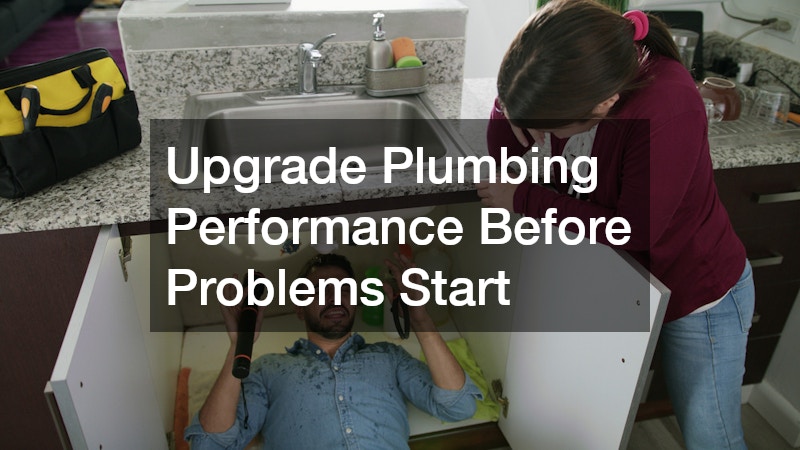
Plumbing problems often develop slowly, making them easy to overlook until they escalate. Being proactive can spare you costly repairs and unexpected disruptions.
One effective maintenance method is drain jetting, which uses high-pressure water to clear buildup and keep pipes flowing smoothly. This is especially useful in homes with older plumbing or frequent clogs. Regular drain jetting can also help prevent unpleasant odors, reduce the risk of major blockages, and extend the life of your plumbing by minimizing stress on pipes. In addition to drain jetting, scheduling periodic inspections and professional cleanings can catch small problems before they escalate, helping you maintain a healthy, efficient plumbing system over time.
Advantages of preventative maintenance include:
- Reduced risk of major blockages
- Improved drainage speed
- Elimination of odors caused by buildup
- Extended lifespan of your plumbing system
In some cases, maintenance alone isn’t enough. That’s where professional remodeling services come in. Upgrading outdated pipes or reconfiguring your plumbing layout can improve efficiency and prevent future issues.
Consider upgrading your plumbing if:
- You have frequent leaks or repairs
- Pipes are made from outdated materials
- Water pressure is consistently low
- You’re planning other major renovations
Taking care of your plumbing system now helps you avoid emergencies later and keeps everything running smoothly. Proactive maintenance can also extend the lifespan of your pipes and fixtures, reduce water waste, and even improve your home’s resale value. Addressing issues early means fewer disruptions and greater peace of mind, ensuring your plumbing works reliably for years to come.
Modernize Key Living Spaces for Daily Comfort
Certain areas of your home have a bigger impact on your daily experience than others. Bathrooms, for example, are used multiple times a day and should be both functional and comfortable.
Working with a local bathroom remodeler allows you to upgrade fixtures, improve layout efficiency, and create a space that better suits your needs. Even small changes, like better lighting or updated storage, can make a noticeable difference.
When planning updates, focus on:
- Improving layout for better flow
- Choosing durable, low-maintenance materials
- Enhancing lighting and ventilation
- Adding storage solutions
Aesthetic improvements also play a key role. Hiring a local painting contractor can refresh your home’s look and tie everything together. A fresh coat of paint not only improves appearance but also protects surfaces and adds value.
Tips for successful updates include:
- Selecting neutral colors for long-term appeal
- Coordinating finishes across rooms
- Prioritizing quality over trends
- Planning projects together for a cohesive result
Modernizing these spaces enhances both comfort and resale value. Thoughtful updates can create more functional layouts, improve accessibility, and introduce energy-efficient fixtures that reduce ongoing costs. Even small improvements, like upgraded lighting or smart storage solutions, can make daily routines more enjoyable and appeal to future buyers. Investing in these areas today will pay dividends in both lifestyle and marketability down the road.
Enhance Connectivity and Communication Systems

Reliable connectivity is no longer a luxury—it’s a necessity. Whether you’re working from home, streaming content, or managing smart devices, your home depends on a strong and stable connection.
If you’re experiencing slow speeds or frequent interruptions, it may be time to evaluate your service. Switching to a better local internet provider can significantly improve performance.
Steps to optimize your setup:
- Test your current speeds to identify issues
- Upgrade to a plan that matches your usage needs
- Position routers centrally to maximize coverage
- Use wired connections for high-demand devices
- Consider mesh systems for larger homes
Planning for future technology is also important. As more devices connect to your network, having a scalable solution ensures your system can keep up. Consider investing in equipment that supports the latest wireless standards, offers robust security features, and allows for simple expansion as your needs change. Regularly reviewing and updating your connectivity infrastructure will help you stay ahead of technology trends, minimize downtime, and ensure that your home remains compatible with new smart devices and services as they emerge.
Optimize Heating Systems for Efficiency and Comfort
Heating is one of the most critical systems in your home, especially during colder months. An inefficient system can lead to high costs and uneven temperatures throughout your space.
If your home relies on home heating oil, regular maintenance is essential to keep your system running efficiently. This includes cleaning components, checking for leaks, and ensuring proper fuel delivery.
Signs your system may need attention:
- Uneven heating between rooms
- Rising fuel costs without increased usage
- Strange noises or odors
- Frequent cycling on and off
Improving efficiency doesn’t always require a full replacement. Simple upgrades like better insulation, programmable thermostats, and sealing air leaks can make a big difference.
However, if your system is outdated, investing in a modern solution can provide long-term savings and improved comfort. Today’s high-efficiency heating systems are often quieter, offer more precise temperature control, and can be integrated with smart home technology for added convenience. Additionally, many new systems qualify for rebates or tax incentives, further increasing your return on investment. Upgrading now can also reduce your carbon footprint and ensure your home is prepared for the changing climate.
Create a Phased Plan for Long-Term Improvements

Upgrading your home doesn’t have to happen all at once. In fact, spreading projects out over time is often more practical and financially manageable.
Start by prioritizing the most critical upgrades—those related to safety and system reliability. Addressing these foundational concerns first will protect your home and provide a solid base for future projects. From there, move on to improvements that enhance efficiency and comfort, such as updating insulation, upgrading appliances, or refreshing key living spaces. This step-by-step progression ensures each upgrade builds on the last, making your investments more effective and creating a smoother overall renovation process.
A phased approach might look like this:
- Phase 1: Address safety concerns (electrical, plumbing, heating)
- Phase 2: Improve efficiency (water systems, insulation, connectivity)
- Phase 3: Enhance comfort and aesthetics (bathrooms, finishes, layouts)
When planning your upgrades:
- Set a realistic budget for each phase
- Research contractors and schedule work strategically
- Bundle related projects to save time and money
- Track progress and adjust plans as needed
This approach allows you to steadily improve your home without becoming overwhelmed.
Upgrading your home’s core systems is one of the most effective ways to improve daily living while protecting your investment. By taking a thoughtful, step-by-step approach, you can address existing issues, prevent future problems, and create a space that truly supports your lifestyle.
Whether you’re focusing on reliability, efficiency, or comfort, each improvement contributes to a stronger, more functional home. With careful planning and the right guidance, you can transform your living environment into one that works better for you now and well into the future.